
Overview
In this section you will get an overview of the condition and its relevance to your health.
Candida infections are among the most common fungal infections in humans. They are usually caused by yeasts of the genus Candida, particularly Candida albicans. These fungi naturally occur on the skin and mucous membranes without causing symptoms.
Under certain circumstances, however, Candida can proliferate excessively and lead to an infection. In the context of sexually transmitted diseases, this primarily affects the genital area in both women and men.
The good news: Candida infections are generally highly treatable. With targeted antifungal medications, symptoms can usually be quickly relieved — including after medical review as part of an online consultation.
What is it?
Here you will learn what medically characterizes this condition and how it is defined.
A Candida infection is an inflammation of the skin or mucous membranes caused by yeasts. In the genital area, the condition is commonly referred to as vulvovaginal candidiasis in women and Candida balanitis in men.
Candida is part of the normal body flora. Only when the balance of microorganisms is disturbed or the immune system is weakened does excessive proliferation occur.
An important distinction: A Candida infection is not a classic sexually transmitted disease but can be transmitted during sexual intercourse.
Causes
The following information explains which factors can contribute to the development of this condition.
The development of a Candida infection is promoted by various factors.
Common causes include:
- Antibiotic use
- Hormonal changes (e.g., pregnancy)
- Diabetes mellitus
- Weakened immune system
Additional contributing factors:
- Tight, non-breathable clothing
- Moist environment in the genital area
- Excessive intimate hygiene
Transmission during sexual intercourse is possible but is not necessarily required for an infection to occur.
Symptoms
This section describes the typical signs and symptoms you should watch for.
The symptoms of a Candida infection differ by sex.
Typical symptoms in women:
- Severe itching in the genital area
- Burning during urination or sexual intercourse
- White, cottage cheese-like discharge
- Redness and swelling of the vulva
Typical symptoms in men:
- Redness and itching of the glans
- White deposits
- Burning or pain
Warning signs include fever, lower abdominal pain, or frequent recurrences, which should be evaluated by a physician.
Diagnosis
Below you will learn how this condition is detected through medical examinations.
The diagnosis of a Candida infection is made based on typical symptoms and a physical examination.
A swab can detect the fungal pathogen microscopically or in the laboratory and is particularly useful for unclear or recurring symptoms.
As part of an online consultation, symptoms, photographs, and pre-existing conditions can be used for an initial assessment.
Treatment
Here the available therapy options and their modes of action are explained.
Candida infections are treated with antifungal medications.
Fluconazole is a commonly used active ingredient for systemic treatment, usually as a single dose. Possible side effects include gastrointestinal discomfort or headaches.
Topical antifungals such as clotrimazole are applied locally as a cream or ointment and are particularly suitable for mild cases.
Important notes:
- Treatment should be completed in full.
- Sexual partners should be treated if they have symptoms.
- Sexual intercourse should be avoided during treatment if possible.
For recurring infections, longer-term therapy may be necessary.
Available medications
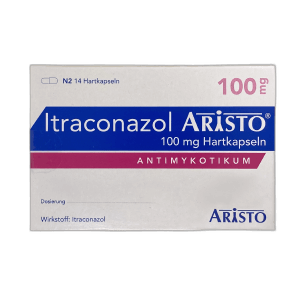
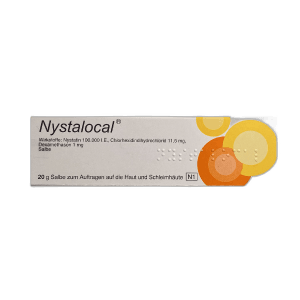
Various prescription medications are available for treatment. Click on a medication to learn more about its effects, dosage and side effects.
Prevention
This section provides guidance on prevention and reducing risk factors.
Simple measures are often helpful in preventing Candida infections.
Recommendations include:
- Breathable underwear
- Avoiding aggressive intimate hygiene products
- Good blood sugar control in diabetes
Strengthening the immune system can also have a preventive effect.
FAQ
Here you will find answers to frequently asked questions on this topic.
Would you like a medical assessment?
Fill out the medical questionnaire. A licensed doctor will review your information and recommend a suitable therapy if appropriate.
Important notice
This content is for general information only. In case of severe pain, shortness of breath, impaired consciousness, fever > 39°C or rapidly worsening symptoms, please seek immediate medical help ().
Related treatments
More treatments from the Geschlechtskrankheiten area that might interest you.
Chlamydien
Ein kurzer Fragebogen hilft, Symptome, Risiken und nächste Schritte strukturiert zu erfassen.
Genitalwarzen
Kurzer Check zu Symptomen, Verlauf und Vorbehandlung, um Optionen einzuordnen.
Genitalherpes
Wir fragen Verlauf und Beschwerden ab, um passende Optionen medizinisch zu bewerten.
HIV Prävention (PrEP)
Kurzer Check zu Risiken, Vorerkrankungen und Voraussetzungen für eine sichere Einordnung.