
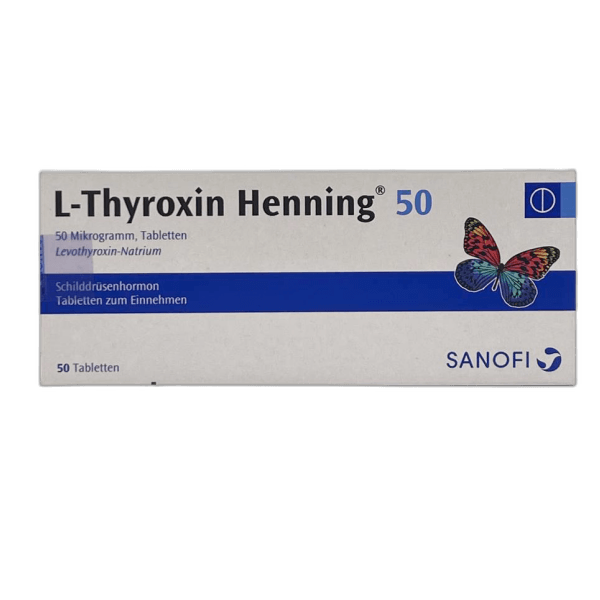
What is L-Thyroxin?
L-thyroxin (Levothyroxin) is the most commonly prescribed drug for the treatment of thyroid underfunction (hypothyroidism). It contains synthetic thyroxine (T4), which corresponds to the body's thyroid hormone.
In hypothyroidism, the thyroid gland produces too little hormones. L-thyroxin replaces the missing hormone and normalizes metabolism. It is usually taken for life.
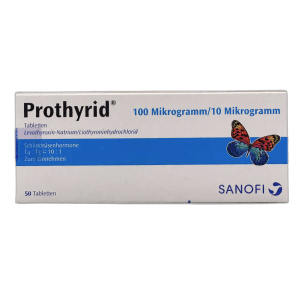
L-Thyroxin is available under numerous brand names, including L-Thyroxin Henning®, L-Thyrox® HEXAL®, Euthyrox®, Eferox® and Levothyroxin Abdi. The preparations differ in auxiliaries and cannot be exchanged as desired.
Active Ingredients & Mechanism of Action
Active ingredient: Levothyroxin-Natrium (T4)
Levothyroxin replaces the body's thyroid hormone T4:
Hormon substitution:
- L-thyroxine (T4) is partially converted into the more active T3 (trijodthyronine) after being taken in the body
- T3 and T4 regulate the entire metabolism
Activities of thyroid hormones:
- Increase in basic turnover and energy metabolism
- regulation of heart rate and blood pressure
- Supporting brain function and concentration
- Body temperature regulation
- Influence on growth, bone maturation and reproduction
Pharmacokinetics:
- Bioavailability approx. 60-80% on sober intake
- Long half-life (approx. 7 days)
- Stable hormone levels with daily intake
Who is it suitable for?
L-Thyroxin is suitable for:
- Hypothyroidism (thyroid underfunction) of any cause
- Hashimotothyroiditis
- After thyroid surgery (partial or complete)
- After radiojod therapy
- Strumaprophylaxe
- Suppression therapy for thyroid cancer
- Congenital hypothyroidism
**The most common cause in Germany:* * Hashimoto-thyreoiditis – an autoimmune disease where the immune system attacks the thyroid.
Available Dosages
Available starches:
- 25, 50, 75, 88, 100, 112, 125, 137, 150, 175, 200 mcg
Dosing:
- Very individual – depends on TSH value, age, weight and accompanying diseases
- start dose in adults: usually 25-50 mcg/day
- Increase every 4-6 weeks by 25 mcg
- Conventional conservation dose: 75-150 mcg/day
- In older patients/heart diseases: more cautious starting (12.5-25 mcg)
TSH target: Usually 0.4-2.5 mU/l (determine individual).
How to Take
Intake – very important for effectiveness:
- Morning, sober, at least 30 minutes before breakfast
- With a glass of water (no coffee, no milk!)
- Every day at the same time
**Why sober? * * Food, coffee and milk significantly reduce the intake. Only in sober intake is the full dose resorbed.
Alternative: Intake in the evening before bedtime (at least 2 hours after the last meal) shows comparable effectiveness in studies.
Important notes:
- At least 2 hours distance from calcium, iron, magnesium, antacid
- Change of preparation only after medical consultation (aid substances different)
- TSH control 6-8 weeks after each dose change
- Do not change the dose autonomously
Contraindications
**L-Thyroxin must not be taken at:* *
- Untreated adrenal bark insufficiency (first replace cortisol!)
- Untreated hypophysis failure
- Acupine heart attack
- Acute myocarditis
- Untreated thyroid hyperfunction
Preview at:
- coronary heart disease (including dose!)
- Heart rhythm disorders
- Older patients
- Diabetes mellitus (insulin needs can change)
- Long existence of hypothyroidism
pregnant: L-thyroxin must continue to be taken during pregnancy! The demand often increases by 25-50%. Regular TSH controls are essential.
Possible Side Effects
For correct dosage: No side effects as the body's hormone is replaced.
**For overdose (symptomas of overfunction):* *
- Heart turf, palpitations
- Internal rest, trembling
- sweating, heat intolerance
- Weight loss
- diarrhea
- Sleep disorders
- Headaches
For underdose (symptomas remain):
- fatigue, drivelessness
- Weight gain
- Cold sensitivity
- Blocking
- Dry skin, brittle hair
** The correct dose is determined via the TSH value in the blood. Regular checks are important.
Interactions
**Drainage (min. 2 h distance!):* *
- calcium preparations
- Iron preparations
- Magnesium preparations
- Antazida (aluminum, magnesium)
- Proton pump inhibitor (can reduce absorption)
- Cholestyramine, Colestipol (4-5 h distance!)
- Soy products
Influence of action:
- estrogens ( pill, hormone replacement) – can increase L-thyroxine requirement
- Carbamazepine, Phenytoin – accelerated T4 degradation
- Amiodaron – complex thyroid effect
Enforcement of action:
- Anticoagulants (Warfarin) – increased bleeding
- Antidiabetics – effect can change
Frequently Asked Questions
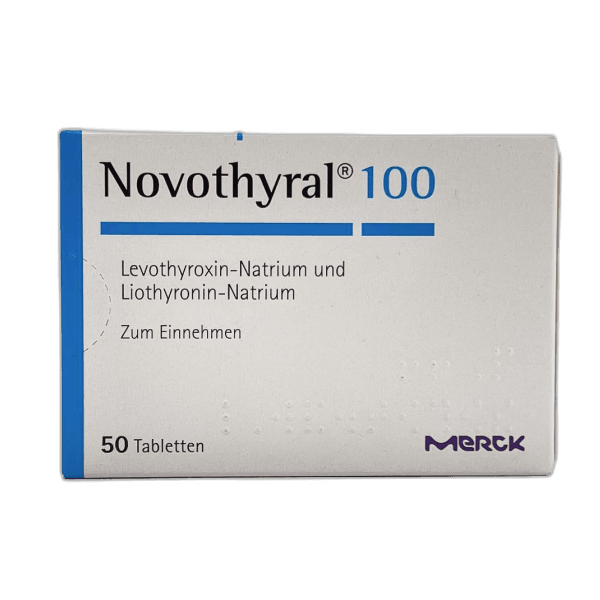
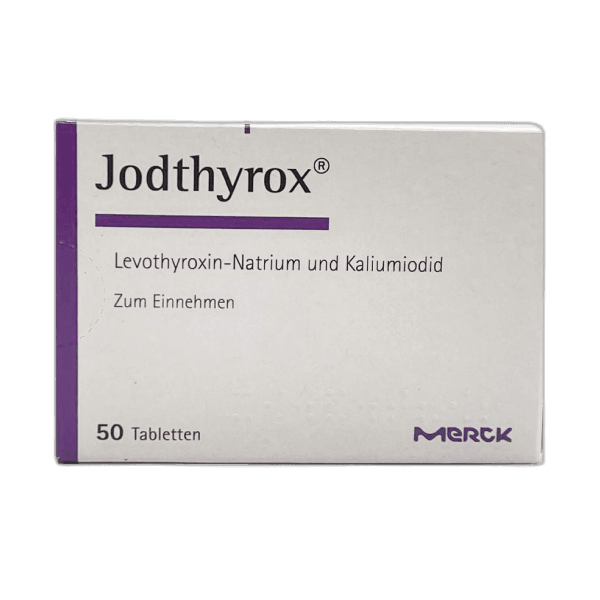
Similar Medications
Is L-Thyroxin right for you?
A licensed doctor will review your information and issue a prescription if suitable. Discreet and secure.
Important Notice
This information does not replace medical advice. If you have questions about your health or the suitability of this medication, please consult a doctor. Read the package leaflet before use.