
Overview
In this section you will get an overview of the condition and its relevance to your health.
Rosacea is a common, chronic inflammatory skin condition that primarily affects the face. It is estimated that several million people in Germany suffer from it, often without knowing it. Early symptoms are frequently mistaken for sensitive skin or acne.
Characteristic features of rosacea include persistent redness, visible blood vessels, and inflammatory skin changes. The condition progresses in flare-ups and, if left untreated, can worsen, which represents a significant psychological burden for many sufferers.
The good news: Rosacea can be treated very effectively today. With modern therapies, symptoms can be significantly reduced and disease progression can be slowed — including after medical review as part of an online consultation.
What is it?
Here you will learn what medically characterizes this condition and how it is defined.
Rosacea is a chronic condition of the facial skin involving dysregulation of blood vessels and the immune system. The exact cause has not yet been fully elucidated.
It is characterized by persistent dilation of superficial blood vessels, leading to redness and flushing. Additionally, inflammatory changes with papules and pustules occur, which can outwardly resemble acne.
An important distinction from acne vulgaris: In rosacea, comedones (blackheads) are absent, and the condition usually only appears in adulthood. Furthermore, affected individuals often react very sensitively to external stimuli.
Causes
The following information explains which factors can contribute to the development of this condition.
The development of rosacea is multifactorial. Several factors interact to promote the condition.
Vascular changes play a central role. The blood vessels in the face react hypersensitively and dilate more than normal in response to certain stimuli.
Inflammatory processes and dysregulation of the innate immune system contribute to the formation of papules and pustules.
Triggering factors can exacerbate rosacea flare-ups. Common triggers include:
- Sun exposure
- Heat or cold
- Alcohol, particularly red wine
- Spicy food
- Stress
- Certain cosmetics
Genetic factors also appear to play a role.
Symptoms
This section describes the typical signs and symptoms you should watch for.
Rosacea manifests in varying degrees of severity, which can change over time.
Typical symptoms include:
- Persistent or intermittent facial redness
- Visible, dilated blood vessels (telangiectasia)
- Inflammatory papules and pustules
- Burning or stinging of the skin
The cheeks, nose, forehead, and chin are most commonly affected.
In advanced cases, skin thickening can occur, particularly on the nose (rhinophyma).
Warning signs that should be evaluated by a physician include:
- Eye involvement (redness, dryness, foreign body sensation)
- Progressive skin thickening
- Lack of improvement despite treatment
Diagnosis
Below you will learn how this condition is detected through medical examinations.
The diagnosis of rosacea is usually made based on the characteristic skin appearance and medical history.
Laboratory tests are generally not necessary. It is important to differentiate rosacea from other skin conditions such as acne, perioral dermatitis, or lupus erythematosus.
If eye symptoms are present, an ophthalmological co-assessment may be required.
In the context of an online consultation, photographs of the skin, information about symptoms, and known triggers can be used for medical assessment.
Treatment
Here the available therapy options and their modes of action are explained.
The treatment of rosacea depends on the severity and manifestation of symptoms.
Topical metronidazole has anti-inflammatory properties and is an established first-line therapy. It is applied as a gel or cream and is generally well tolerated.
Ivermectin cream has both anti-inflammatory and antiparasitic effects and is particularly effective for inflammatory papules and pustules.
Oral antibiotics such as doxycycline can be used for moderate to severe cases. At low doses, they primarily have an anti-inflammatory effect.
Additional measures:
- Laser or light therapy for pronounced redness
- Consistent sun protection
- Gentle skincare
Important notes:
- Corticosteroid creams are contraindicated in rosacea, as they can worsen the condition.
Available medications
Various prescription medications are available for treatment. Click on a medication to learn more about its effects, dosage and side effects.
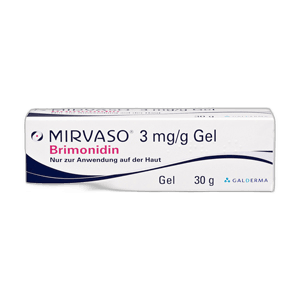
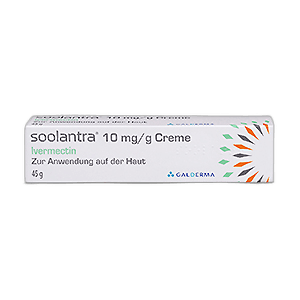
Prevention
This section provides guidance on prevention and reducing risk factors.
A complete cure for rosacea is not possible, but the course of the condition can be positively influenced.
Avoiding individual triggers plays a central role. Many sufferers benefit from identifying personal triggers and consistently avoiding them.
Recommendations include:
- Daily sun protection
- Mild, non-irritating skincare
- Avoiding aggressive cosmetics
Early treatment can help prevent disease progression.
FAQ
Here you will find answers to frequently asked questions on this topic.
Would you like a medical assessment?
Fill out the medical questionnaire. A licensed doctor will review your information and recommend a suitable therapy if appropriate.
Important notice
This content is for general information only. In case of severe pain, shortness of breath, impaired consciousness, fever > 39°C or rapidly worsening symptoms, please seek immediate medical help ().
Related treatments
More treatments from the Hautpflege area that might interest you.