
Overview
In this section you will get an overview of the condition and its relevance to your health.
Testosterone deficiency — medically known as male hypogonadism — affects significantly more men than many realize. Estimates suggest that up to 20 percent of men over 50 have low testosterone levels. Yet the deficiency often goes unrecognized because the symptoms are nonspecific and frequently attributed to normal aging.
Testosterone is the most important male sex hormone and plays a central role in sexual function, muscle strength, bone health, energy, mood, and metabolism. When levels fall below a certain threshold, quality of life can be significantly impaired.
The good news: Testosterone deficiency can be reliably diagnosed and treated very effectively in many cases. Modern testosterone therapies can significantly alleviate symptoms and noticeably improve well-being — including through medically supervised online treatment.
What is it?
Here you will learn what medically characterizes this condition and how it is defined.
Testosterone is a steroid hormone produced primarily in the testes and is responsible for the development and maintenance of male sex characteristics. It influences sexual development as early as in the womb; later, it regulates libido, erectile function, muscle and bone mass, and sperm production, among other things.
A testosterone deficiency is diagnosed when testosterone levels in the blood remain persistently below the age-appropriate normal range and typical symptoms are present simultaneously. An isolated low laboratory value without symptoms is not automatically considered a condition requiring treatment.
Medically, two forms are distinguished:
- Primary hypogonadism: The testes produce too little testosterone.
- Secondary hypogonadism: The regulation via the hypothalamus or pituitary gland is disrupted.
In many cases, a mixed form is present, particularly in older men or those with chronic diseases.
Causes
The following information explains which factors can contribute to the development of this condition.
The causes of testosterone deficiency are varied and can be congenital or acquired.
Age-related testosterone decline is the most common cause. From age 30 onward, testosterone levels decrease by approximately 1 to 2 percent per year. In some men, this decline remains asymptomatic; in others, it leads to a clinically relevant deficiency.
Chronic diseases such as diabetes mellitus, obesity, high blood pressure, or chronic kidney disease can negatively affect testosterone production. Visceral abdominal fat has a particularly strong impact, as it converts testosterone into estrogens.
Hormonal disorders affect the hormonal regulation in the brain, for example through pituitary tumors, traumatic brain injuries, or genetic conditions.
Medications and lifestyle factors also play a role. These include:
- Long-term use of opioids or corticosteroids
- Excessive alcohol consumption
- Anabolic steroid abuse
- Chronic stress and sleep deprivation
Symptoms
This section describes the typical signs and symptoms you should watch for.
The symptoms of testosterone deficiency often develop gradually and therefore go unrecognized as hormonally related for a long time.
Typical sexual symptoms include:
- Reduced libido (sexual desire)
- Erectile dysfunction
- Reduced morning erections
- Declining fertility
Physical symptoms may include:
- Loss of muscle mass and strength
- Increase in body fat, particularly around the abdomen
- Decreased bone density (osteoporosis risk)
- Increased fatigue and reduced performance
Psychological symptoms often manifest as:
- Lack of motivation
- Depressive mood
- Irritability
- Concentration problems
Warning signs include a combination of several of these complaints over an extended period.
Diagnosis
Below you will learn how this condition is detected through medical examinations.
The diagnosis of testosterone deficiency is always based on the combination of symptoms and blood tests.
The key measurement is total testosterone in morning blood, as levels fluctuate throughout the day and are highest in the morning. As a rule, at least two measurements on different days are recommended to rule out random fluctuations.
Additional laboratory values may also be determined, including:
- Free testosterone
- SHBG (sex hormone-binding globulin)
- LH and FSH to clarify the cause
- Related values such as blood sugar, blood lipids, and PSA
During an online consultation, a structured medical history is taken first. If symptoms are appropriate, the doctor can order a blood test or evaluate existing laboratory results to decide on therapy.
Treatment
Here the available therapy options and their modes of action are explained.
Treatment of testosterone deficiency depends on the cause, severity, and individual needs of the patient.
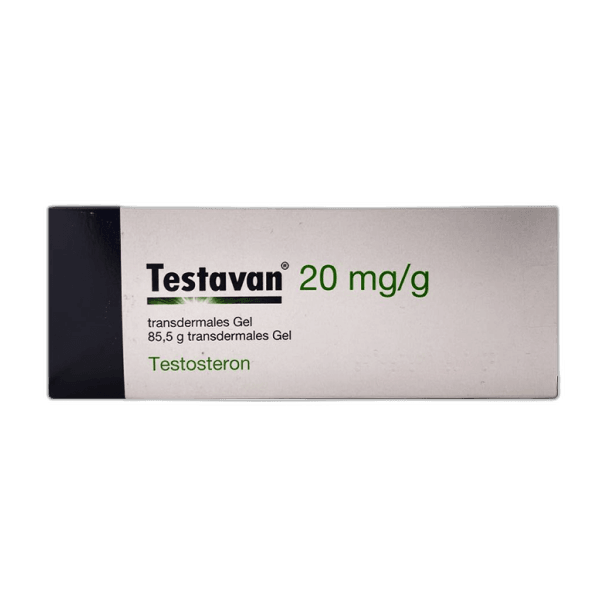
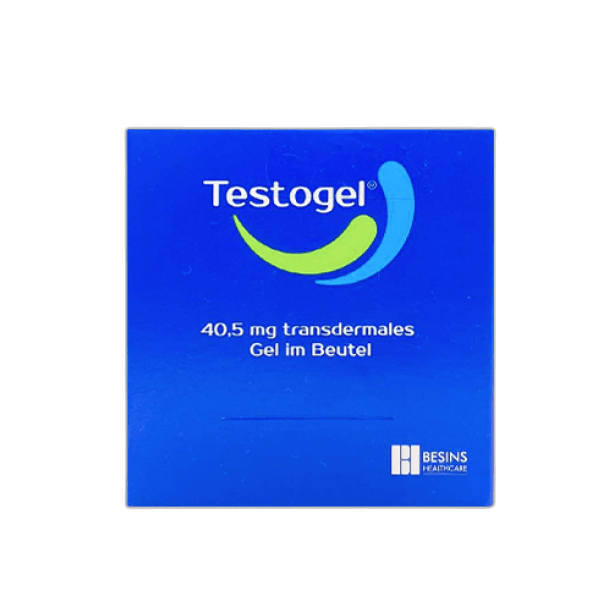
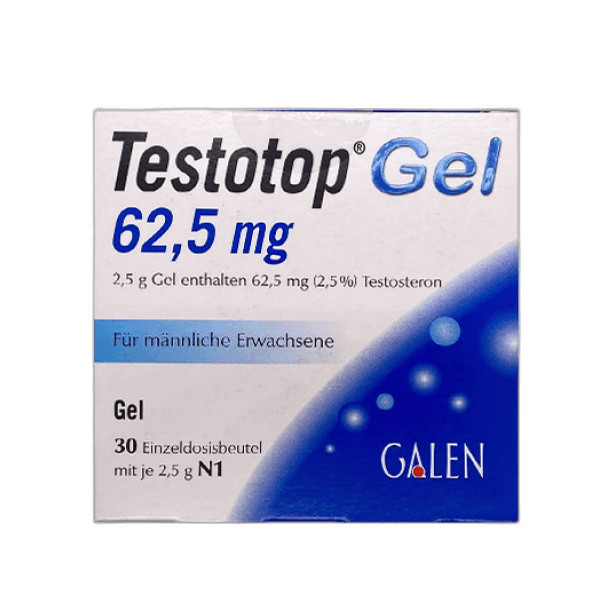
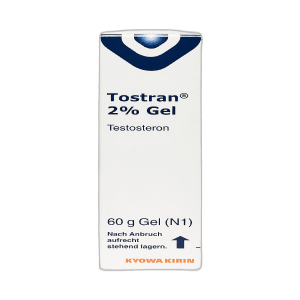
Testosterone gels are a commonly used form of therapy. The active ingredient is applied daily to the skin and absorbed into the bloodstream. Advantages include steady hormone levels and easy application. Possible side effects include skin irritation or unintended transfer to contact persons.
Testosterone injections are administered intramuscularly at regular intervals. Depending on the preparation, injections are given every 2 to 12 weeks. They produce stable testosterone levels but may cause higher peak values shortly after injection.
Other dosage forms such as patches or oral preparations play a minor role in Germany.
Possible side effects of testosterone therapy include:
- Acne and oily skin
- Water retention
- Increase in hematocrit
- Prostate issues in the context of pre-existing conditions
Important contraindications include:
- Prostate or breast cancer
- Significantly elevated hematocrit
- Untreated severe sleep apnea
Therapy is always carried out under medical supervision with regular follow-up checks.
Available medications
Various prescription medications are available for treatment. Click on a medication to learn more about its effects, dosage and side effects.
Prevention
This section provides guidance on prevention and reducing risk factors.
Age-related testosterone decline cannot be completely prevented, but lifestyle factors can positively influence hormonal balance.
Regular physical activity, particularly strength training, can support the body's own testosterone production. Equally important are a healthy body weight, adequate sleep, and moderate alcohol consumption.
Treating chronic conditions such as diabetes or obesity also helps stabilize testosterone levels and reduce symptoms.
FAQ
Here you will find answers to frequently asked questions on this topic.
Would you like a medical assessment?
Fill out the medical questionnaire. A licensed doctor will review your information and recommend a suitable therapy if appropriate.
Important notice
This content is for general information only. In case of severe pain, shortness of breath, impaired consciousness, fever > 39°C or rapidly worsening symptoms, please seek immediate medical help ().
Related treatments
More treatments from the Männergesundheit area that might interest you.
Erektionsstörungen
Beantworte ein paar kurze Fragen, damit wir einschätzen können, ob eine Behandlung medizinisch geeignet ist.
Vorzeitiger Samenerguss
Ein kurzer, strukturierter Fragebogen hilft, passende Optionen medizinisch einzuordnen.
Haarausfall
Wir klären kurz die Ausgangslage und mögliche Ursachen, bevor passende Optionen angezeigt werden.