
What is Naproxes?
Naproxen is a non-steroidal anti-inflammatory (NSAR) with a long duration of action. Compared to ibuprofen or diclofenac, it must be taken only twice a day and has a comparatively favorable cardiovascular safety profile.
The active ingredient is available in Germany as a generic and under various brand names. Naproxen is used in pain of the musculoskeletal system, rheumatic diseases and menstrual pain.
Due to the long duration of action, Naproxen is particularly suitable for patients who need uniform pain relief over the day.
Active Ingredients & Mechanism of Action
Active ingredient: Naproxen
Naproxen inhibits cyclooxygenase (COX-1 and COX-2):
Active mechanism:
- Blocks Prostaglandin synthesis
- Reduces pain, inflammation and fever
Special – Long half-life:
- half-life: 12–15 hours (more than 2–4 h ibuprofen)
- More uniform level of action over the day
- Only 2 revenues per day
Cardiovascular profile: Studies show that naproxes under the NSAR have the least additional risk for heart attack and stroke. It is therefore often preferred in patients with cardiovascular risk factors.
Who is it suitable for?
Naproxen is suitable for:
- Arthrosis and rheumatoid arthritis
- Back pain
- Menstrual pain
- Gout attacks
- tendonitis, mucosaitis
- Light to moderate pain
Especially suitable for:
- Patients with cardiovascular risk factors (compared to Diclofenac)
- Patients who prefer 2-time intake
Not suitable:
- In active gastrointestinal ulcers
- In severe heart, liver or kidney failure
- In the last third of pregnancy
Available Dosages
Tablets:
- 250 mg, 500 mg
Use dosage:
- Maximum daily dose: 1250 mg (start dose), then 1000 mg
In case of acute gout attack:
- initial dose: 750 mg, then 250 mg every 8 hours
Recommendation: Low effective dose as short as possible.
How to Take
Intake:
- Taking enough water
- To or after a meal
- Morning and evening at a distance of 12 hours
Important notes:
- Do not combine with other NSAR
- Do not take sober
- Consider stomach protection with PPI
- Regular control of kidney values and blood count
Contraindications
**Naproxen may not be taken at:* *
- hypersensitivity to naproxes or other NSARs
- Active gastric or intestinal ulcers
- Heavy heart failure
- Heavy kidney or liver failure
- Last third of pregnancy
Preview at:
- Older patients (increased GI bleeding risk)
- Asthma bronchiale
- bleeding tendency
- Taking anticoagulants
pregnant: In the 1st and 2nd Trimenon only with strict indication. In the 3rd Trimenon contraindicated.
Possible Side Effects
Family (1–10 %):
- stomach pain, heartburn, nausea
- headache, dizziness
- Edema
** Occasionally (0.1-1 %):* *
- Gastric ulcer, GI bleeding
- Skin rash
- Increased liver levels
Selten:
- Heavy allergic reactions
- Kidney malfunction
- Blood-image changes
** The GI bleeding risk is slightly higher in Naproxen than in Ibuprofen, but cardiovascular security is better.
Interactions
Increased bleeding risk with:
- Anticoagulants
- ASS, other NSAR
- SSRI antidepressants
- corticosteroids
Sustainability of:
- ACE inhibitors, sartans
- Diuretics
Increased toxicity of:
- Methotrexate
- Lithium
Frequently Asked Questions
Similar Medications
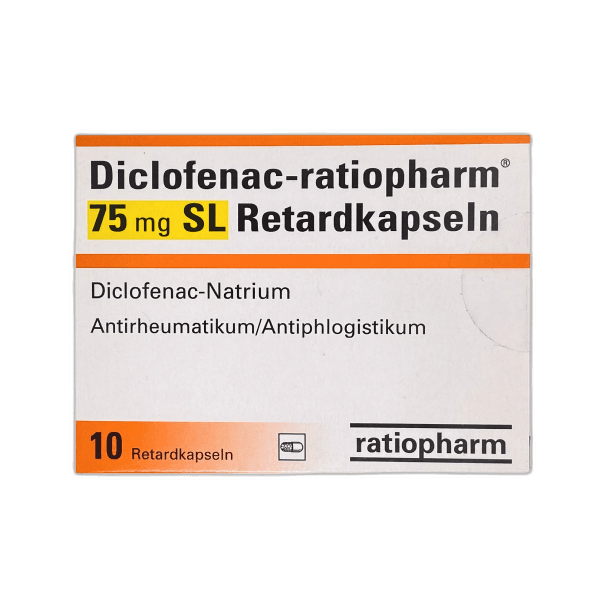
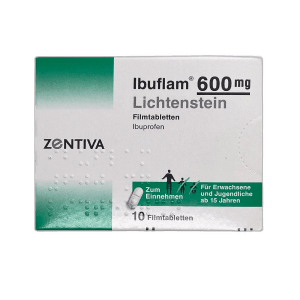
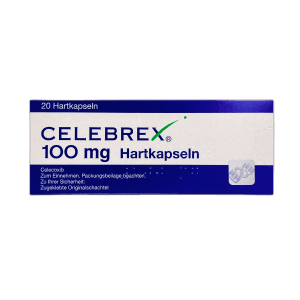

Is Naproxes right for you?
A licensed doctor will review your information and issue a prescription if suitable. Discreet and secure.
Important Notice
This information does not replace medical advice. If you have questions about your health or the suitability of this medication, please consult a doctor. Read the package leaflet before use.